020 3744 3778
Hidden fees to avoid with Gallows Corner gardening services
Posted on 27/10/2026
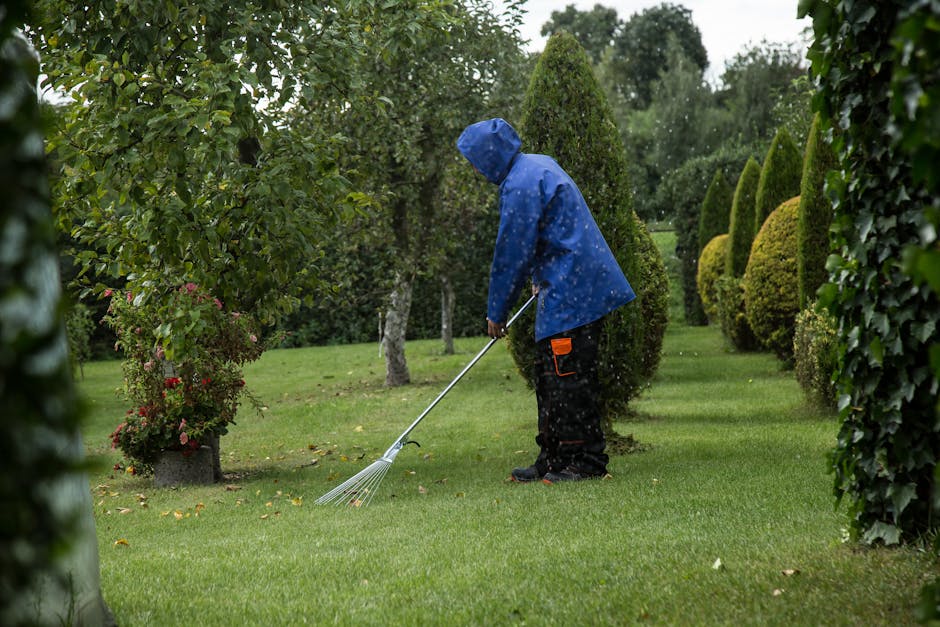
If you are booking garden help in Gallows Corner, the quote on the first page is rarely the whole story. Most of the time, the real cost only becomes clear after someone has seen the size of the lawn, the access to the back gate, the amount of green waste, or the awkward hedge that has decided to grow with a vengeance. That is exactly why understanding the hidden fees to avoid with Gallows Corner gardening services matters. A tidy quote is nice; a tidy final invoice is better.
To be fair, not every extra charge is unfair. Some are sensible, even necessary. But the difference between a transparent service and a frustrating one is often the same: clear wording, proper site checks, and no awkward surprises at the end of the job. In this guide, you will learn what fees to watch for, how pricing usually works, where gardeners sometimes add extras, and how to protect your budget without making the process a headache.
One small note before we start: if you want to compare a service quote with the provider's own pricing process, it can help to review the pricing and quotes guidance and the company's terms and conditions early on. That simple habit saves a lot of back-and-forth later.
Why hidden fees matter
Hidden fees are not just annoying. They can completely distort your budget. A garden tidy-up that looked affordable at first can become expensive once you add waste removal, access issues, extra labour, specialist tools, or a second visit. That matters even more with outdoor work, because garden conditions change quickly. A site that looks straightforward from the front may hide steep steps, thorny borders, damp decking, broken paving, or a heavy build-up of debris out the back.
Garden services in Gallows Corner often cover a broad mix of jobs: mowing, hedge trimming, pruning, planting, weeding, patio cleaning, landscaping, tree work, and routine garden maintenance. Each one can have different labour needs and disposal costs. So if the quote is too neat, too fast, or oddly vague, it is worth asking what is actually included. A clear quote should explain the scope. If it doesn't, you are the one carrying the risk.
And here is the bit people sometimes miss: hidden fees can also damage trust. Even if the final price is technically justified, nobody likes that "oh, by the way..." moment halfway through a job. Good gardening services should feel calm and straightforward, not like a little billing mystery unfolding on the driveway.
How hidden fees usually work
Most garden service pricing falls into one of three models: fixed quote, hourly charge, or a mixed approach. The hidden-fee problem usually appears when the quote is based on assumptions that do not match the real site.
For example, a gardener may quote for standard hedge trimming, then discover the hedge is much taller than expected and needs ladders, extra tools, or more time. Or a lawn mowing visit may seem simple until the team realises the grass has grown ankle-high, the mower cannot access a narrow side passage, and clippings must be bagged manually. None of that is automatically wrong to charge for. The issue is whether those costs were communicated properly from the start.
Common add-ons can include:
- Green waste removal and disposal
- Fuel or travel charges for more remote or awkward access
- Minimum call-out fees
- Charges for steep slopes, difficult access, or long carrying distances
- Extra time for overgrown gardens or neglected borders
- Specialist tools for tree surgery or heavy hedge work
- Materials such as compost, bark, plants, or fixings
- Repeat visits for larger jobs or seasonal maintenance
Not every provider lists these separately in the same way, which is why the wording matters. If you are booking a broader project rather than a simple one-off tidy, the clearest starting point is usually a detailed service page such as garden maintenance or a more specific option like lawn mowing or hedge trimming. The more precise the service, the easier it is to spot what should and should not be billed.
Key benefits and practical advantages
Watching for hidden costs is not about being difficult. It is about getting better value. Once you know what to ask, you can compare quotes properly and avoid paying for the same thing twice.
- Better budget control: You know the likely final cost before work begins, which makes planning far easier.
- Cleaner comparisons: A cheaper quote is not always cheaper if it excludes waste removal, labour time, or access problems.
- Less awkwardness on site: Clear expectations reduce those uncomfortable price conversations when the van is already parked up.
- More tailored service: A transparent quote often reflects a more careful assessment of your garden's actual needs.
- Reduced risk of rushed work: If the job scope is realistic, there is less pressure to cram too much into too little time.
There is also a mental benefit, which people underestimate. Outdoor jobs should feel like progress, not admin. When you know what you are paying for, you can enjoy the result: the crisp edge of a freshly cut lawn, the clean lines of a trimmed hedge, or the sight of a patio that no longer looks tired and slippery after a wet week.
Expert summary: The best value usually comes from the clearest quote, not the lowest headline number. Ask what is included, what is optional, and what could change the total price before any tools come out of the van.
Who this is for and when it makes sense
This advice is useful for just about anyone hiring outdoor help, but it is especially relevant if you are:
- a homeowner booking one-off garden clearance
- a landlord arranging regular maintenance between tenancies
- someone with an overgrown garden that needs more than a quick tidy
- a family trying to keep a garden safe and usable without overspending
- a busy resident who wants reliable help but cannot monitor the job closely
- a customer comparing several Gallows Corner gardening services at once
It also makes sense if your garden has any complication at all. Narrow side access, pets, heavy clay soil, awkward tree roots, wet decking, or mature planting can all change the real job. A tiny front garden may still cost more than expected if waste has to be carried through the house or if the work involves specialised pruning. Truth be told, the simplest-looking gardens can be the most fiddly.
If you are planning a larger refresh, a full garden makeover, or a shift in layout, it can help to read related advice on garden makeovers and landscaping before you request quotes. That makes it easier to separate design costs from maintenance costs.
Step-by-step guidance
- List the exact tasks you want done. Be specific. "Tidy the garden" is vague. "Mow lawn, remove weeds from front border, cut back one laurel hedge, and clear clippings" is much better.
- Ask what is included in the headline price. Does it cover labour only, or labour plus waste disposal, fuel, and materials?
- Describe access honestly. If the rear gate is narrow, the soil is heavy, or the property has steps, mention it. It saves arguments later.
- Request a written quote. A written quote should outline the scope, exclusions, and any likely extras. If you are unsure what to look for, the provider's pricing and quotes page is a sensible place to start.
- Check whether waste removal is separate. Some teams include it, some do not. Green waste can become a surprise charge very quickly.
- Clarify pricing for overgrowth. Ask how the quote changes if the lawn is excessive, the hedge is taller, or brambles are thicker than expected.
- Confirm materials before they are ordered. Compost, plants, bark, or edging materials should be approved in advance.
- Ask about minimum charges. Some jobs are priced with a minimum visit fee, which may be perfectly fair but should be visible.
- Review the terms before booking. Pay special attention to cancellation terms, payment timing, and whether the team charges for waiting time or unsuccessful visits.
- Get the final total in writing when possible. If anything changes on site, ask for a quick explanation before the work continues.
That's it, really. No drama. Just a bit of structure.
Expert tips for better results
After enough garden jobs, a few patterns become obvious. The best quotes usually come from the best questions. Here are the habits that make a real difference:
- Use photos, but do not rely on them alone. A few clear images help, yet photos can hide height, access, and depth. A hedge shot taken from the patio can look far smaller than it is.
- Ask for "included" and "excluded" wording. Those two lists are more useful than a long sales pitch.
- Be wary of unusually low prices. A rock-bottom price may be fair, but it can also mean key costs were left out. Sometimes both.
- Plan for seasonal variation. Spring growth, autumn leaf fall, and winter clearance all affect effort and waste volume.
- Separate maintenance from transformation. Routine upkeep and a one-time rescue job are not the same thing.
- Keep a record of agreed changes. If you add a job on the day, note it down by message or email so the invoice matches the discussion.
A small but important tip: if the work involves paths, patios, decking, or slippery areas, ask whether cleaning or preparation is priced separately. Services like patio cleaning and decking services may seem like add-ons, but they can change the project outcome quite a lot. You do not want to pay twice because no one clarified the sequence of work.
And yes, sometimes the cheapest quote is the one that costs you the most stress. Odd, but true.

Common mistakes to avoid
Most overpaying happens because people assume the gardener and the customer are picturing the same job. They usually are not. Here are the errors that cause trouble most often:
- Accepting vague wording: "General tidy" or "basic clear-up" can mean very different things.
- Forgetting waste disposal: Cutting plants down is one task; removing them safely is another.
- Not mentioning access constraints: Long carry distances, locked gates, or tricky parking can affect labour time.
- Ignoring height and reach: Tall hedges and mature trees often need different equipment and insurance considerations.
- Assuming repeat visits are included: A quoted maintenance price may cover one visit, not a seasonal plan.
- Buying materials without checking compatibility: The wrong plants or fixings can waste money and delay the work.
- Skipping the terms: This is where cancellation charges, rescheduling rules, and payment terms usually hide.
One very common situation: a person books what sounds like a simple hedge trim, then discovers the hedge is both taller and deeper than expected, with thorny offshoots and a mountain of clippings. The job is still doable, of course, but the quote changes because the actual work changed. That is not automatically a hidden fee. It is a scope issue. The problem is when no one explains the scope properly in the first place.
If the hedge work is central to the project, it is worth reviewing a dedicated service like hedge trimming in Gallows Corner so you know what kind of job description to expect.
Tools, resources and recommendations
You do not need specialist software to avoid surprise charges. A few simple tools and habits are enough:
- A phone camera: Take wide shots of the whole garden and close-ups of problem areas.
- A rough checklist: Note every task you want completed and mark which ones are essential.
- Measurements: Even approximate hedge lengths, lawn sizes, or border widths help with accuracy.
- Access notes: Record gate width, parking restrictions, and any steps or slopes.
- Written quotes: Keep them together so you can compare like for like.
- Policy pages: If you want to understand how a provider handles payments, safety, or complaints, review pages such as payment and security, health and safety policy, and complaints procedure.
For households trying to keep costs down long term, low-maintenance planting can also reduce repeat work. The site's guides on low-maintenance gardening hacks and weed-free garden tips can help you reduce the number of jobs you need to book in the first place. That is where the real savings often are.
If your garden changes with the seasons, you might also find value in planning around winter plant protection and harsh weather protection. Prevention usually costs less than recovery. Quite a lot less, in fact.
Law, compliance, standards, or best practice
For garden services in the UK, the safest approach is to follow normal consumer and service best practice: clear quotes, clear scope, clear payment terms, and sensible handling of waste, tools, and safety. You do not need to become a contract lawyer, but it helps to recognise a few basics.
First, any quoted price should be honest about what it covers. If the provider expects extra labour, specialist equipment, or disposal fees, those should be explained before work starts wherever possible. Second, if the work involves tools, ladders, cutting equipment, or tree-related tasks, the company should have suitable safety practices in place. That is especially relevant for higher-risk jobs like tree work, heavy hedge reduction, or work near fragile structures.
Third, if you are paying online or by card, security and payment clarity matter. The provider's own payment and security page should help you understand how billing is handled. Likewise, if you ever need to raise an issue, a visible complaints procedure is a good sign rather than a bad one. It means there is a process, not guesswork.
For larger or more technical work, it can also be sensible to check company background. Pages such as about us and insurance and safety help build confidence before you book. That matters even for routine jobs. Nobody wants to find out after the fact that the job had unspoken risks attached.
Best practice, in plain English, is simple: if a fee could change, say so early. If a job could grow in size, define the trigger. If something is excluded, write it down. That is the standard worth expecting.
Options, methods, and comparison table
Not every gardening service is priced the same way, and that can work for or against you depending on the job. This table gives a practical comparison of common approaches.
| Pricing method | How it usually works | Best for | Watch out for |
|---|---|---|---|
| Fixed quote | A set price is given for a defined job | Clear, predictable work | Extra charges if the scope changes or access is worse than described |
| Hourly rate | You pay for the time spent on site | Flexible or uncertain jobs | Total cost can rise quickly if the work is overgrown |
| Mixed pricing | Base fee plus extras for waste, materials, or special tasks | Jobs with a simple core task and variable add-ons | Headline price may look lower than the final invoice |
| Maintenance plan | Repeat visits are scheduled across the year | Ongoing garden care | Check what happens if one visit is missed or the garden needs more than usual attention |
If your garden is mostly routine upkeep, fixed or planned maintenance can be the cleanest option. If the garden is badly overgrown or you are not sure what is behind the shrubs, a site visit or hourly approach may be more realistic. The key is to match the pricing style to the job, not just to the headline figure.
Case study or real-world example
Imagine a semi-detached home in Gallows Corner with a lawn, two borders, a medium hedge, and a back patio. The owner asks for a "spring tidy-up" and receives a neat quote that seems reasonable. On the day, the gardener discovers the hedge is much denser than expected, the lawn clippings are too heavy for a standard bag, and access to the rear garden requires carrying everything through a narrow side passage. Suddenly, the job is longer and the waste is higher.
If the original quote did not mention waste disposal, difficult access, or hedge thickness, the final bill can jump. The customer may feel blindsided, while the gardener may feel the job has expanded beyond the original agreement. Neither side enjoys that. A better approach would have been a short pre-visit assessment, or at least a written note saying that overgrowth and waste removal may alter the price.
Now compare that with a slightly more careful version. The customer sends photos of the hedge, the lawn, and the access route. They also mention that the compost bin is already full and the clippings will need taking away. The quote comes back with a clear base cost, a disposal line, and a note that significant overgrowth could add labour. The final job still costs money, naturally, but there is no drama. The whole thing feels fair. That is what good service should feel like.
If you are planning more than a tidy-up, a broader project like a general gardening service or a one-off garden maintenance visit may be a better fit than trying to piece together separate jobs one by one.
Practical checklist
Use this before you approve a quote:
- Have I described the job clearly and specifically?
- Do I know whether waste removal is included?
- Have I mentioned access, parking, steps, and gate width?
- Is the quote written down, not just discussed?
- Have I checked for minimum charges or call-out fees?
- Do I understand what happens if the work is bigger than expected?
- Have I asked whether materials are included or billed separately?
- Do I know the payment terms and cancellation terms?
- Have I compared the quote with at least one other option?
- Does the service page match the job I actually need?
One line to keep in mind: if a cost might change, ask why and when. That one habit avoids a surprising amount of trouble.
For new customers who want to make contact and ask direct questions before booking, the contact page is the obvious next stop.
Get a free quote today and see how much you can save.
Conclusion
The easiest way to avoid hidden fees with Gallows Corner gardening services is not to become suspicious of every charge. It is to be specific, prepared, and calm. Ask what is included. Ask what is not. Ask what happens if the job is bigger than expected. Most providers who value good work will appreciate clear questions, because it helps them quote properly and do the job well.
Garden work should feel like an improvement, not a guessing game. A clear quote brings peace of mind, protects your budget, and helps everyone start on the same page. And once the job is done, the reward is simple but lovely: a garden that looks cared for, feels easier to enjoy, and no longer comes with billing surprises lurking in the weeds. A small thing, maybe, but a very satisfying one.